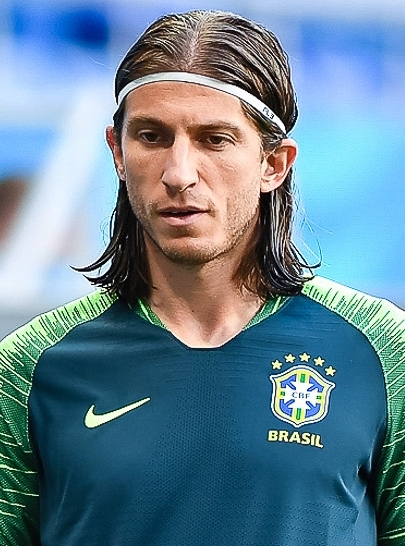
Leila vs. Filipe Luís: When Management Philosophies Collide in Brazilian Football
The world of Brazilian football is rarely dull, and the latest chapter in its ongoing drama features two towering figures: Palmeiras president Leila Pereira and former Flamengo star, Filipe Luís. What began as a trophy celebration snub has evolved into a full-blown critique of club management, with Leila Pereira's recent comments casting a harsh spotlight on Flamengo's operational philosophy following Filipe Luís's brief tenure as their U17 coach. This isn't just about a single dismissal; it's a profound debate on stability, long-term planning, and the very essence of building a successful footballing institution.
The tension between these two personalities, and by extension, their respective clubs, highlights the fierce competition and differing strategies at play in the upper echelons of Brazilian football. Leila Pereira, known for her directness and strategic vision at Palmeiras, has consistently advocated for patience and a well-defined project. Her recent **leila crítica filipe luís** statement regarding his dismissal, therefore, resonates far beyond the immediate news cycle, sparking essential conversations about how clubs, especially those with immense resources like Flamengo, navigate the delicate balance between immediate success and sustainable development.
The Spark: A Flamengo Coaching Tenure Cut Short and a Swift Rebuke
The catalyst for the latest public exchange was the news of Filipe Luís's departure from the technical command of Flamengo's U17 team. A revered figure on the pitch for the Rubro-Negro, Filipe Luís had taken on the coaching role with considerable fanfare, aiming to instill new methodologies and contribute to the club's future. His tenure, however, was surprisingly brief, culminating in yet another episode of instability at the Rio de Janeiro giant.
It was this swift exit that Leila Pereira, president of rival Palmeiras, seized upon during a press conference. She didn't mince words, delivering a pointed **leila crítica filipe luís** remark that struck at the heart of Flamengo's perceived management style. "It's not just about signing, no. You need to have planning, a long-term project. It's inadmissible that a club with Flamengo's structure cannot give continuity to a job," Leila declared, making a clear and direct allusion to the club's operational challenges.
Her statement quickly reverberated across sports media and social networks, fueling debates about the distinct management philosophies between the two clubs. While Palmeiras, under Leila's leadership, is often praised for its stability, clear vision, and emphasis on long-term projects—epitomized by the consistent support for coach Abel Ferreira—Flamengo has frequently faced scrutiny for its high turnover of coaches and a perceived lack of consistent strategic direction, particularly within its youth ranks.
"There's no point in bringing in big names if there isn't support, a structure that allows these professionals to develop their work. Football is a project, it's patience, it's believing. What we saw at Flamengo with Filipe Luís is a reflection of the lack of that," Leila further elaborated. This public challenge not only intensifies pressure on Flamengo's board but also serves as a potent reminder of the importance of foundational planning over fleeting appointments. For a deeper dive into this specific aspect of Leila's critique, read our related article:
Leila Attacks Flamengo's Strategy After Filipe Luís Dismissal.
A History of Verbal Jabs: Trophy Celebrations and Tactical Debates
The current exchange isn't the first time Leila Pereira and Filipe Luís have been at odds in the public sphere. Their rivalry extends beyond mere club allegiance, marked by personal remarks and competitive banter that add flavor to the intense Palmeiras-Flamengo dynamic. One notable instance occurred after Flamengo's triumph in the 2022 Copa Libertadores. Filipe Luís, in a moment of celebration, posted a photo with the trophy on an airplane, captioning it, "I never get tired of you guys..."
This seemingly innocuous post, a standard celebration for any victorious player, drew a direct and rather personal **leila crítica filipe luís** from the Palmeiras president. Filipe Luís later recounted on a podcast that Leila sent him a WhatsApp message stating, "Filipe, I didn't like that, huh!" His retort perfectly encapsulated the rivalry: "Leila, but you are the president of Palmeiras, I am from Flamengo!" This interaction highlights the deep-seated emotions and competitive spirit that permeate Brazilian football, even extending to personal communications between rival figures.
The verbal sparring didn't stop there. Leila Pereira also publicly questioned why Filipe Luís hadn't started in the first leg of the 2022 Copa do Brasil semifinals against Athletico-PR. This commentary from a rival president about a player's tactical usage prompted Filipe Luís to hit back, stating, in his opinion, that "Leila Pereira doesn't understand football and shouldn't talk." These past exchanges underscore a pattern of strong personalities clashing, each fiercely defending their club's honor and vision, and setting the stage for the more recent, management-focused critique.
Beyond the Headlines: Decoding Management Philosophies in Brazilian Football
Leila Pereira's latest **leila crítica filipe luís** goes far beyond a personal feud; it's a commentary on the fundamental approaches to club management in Brazilian football. Her emphasis on "planning" and "long-term projects" touches upon a critical vulnerability for many clubs in a results-driven environment.
The Importance of Stability and Vision
In a league known for its managerial merry-go-round, the concept of stability championed by Leila at Palmeiras stands out. For youth categories, this is particularly vital. Young players and coaches require a consistent environment, a clear development pathway, and the assurance that a project won't be abandoned at the first sign of difficulty. A lack of continuity, as seen in Filipe Luís's case, can hinder player development, stifle coaching innovation, and ultimately undermine the club's future prospects.
Successful clubs often attribute their triumphs not just to big signings, but to a cohesive vision that permeates all levels, from the senior team down to the academy. This vision provides a guiding star, ensuring that decisions are aligned with overarching goals, rather than reacting impulsively to short-term pressures.
Navigating Rivalries: When Personalities Clash
The dynamic between Leila Pereira and Filipe Luís also exemplifies how strong personalities contribute to the rich tapestry of Brazilian football. These aren't just corporate entities competing; they are passionate individuals whose public statements shape narratives and electrify fan bases. While critics might see the exchanges as unproductive, they undeniably add a layer of intrigue and personal investment to the already intense rivalries.
The Palmeiras-Flamengo rivalry, in particular, has been one of the most significant in recent years, with both clubs consistently competing for major titles. Public spats between their leading figures only serve to amplify this rivalry, making every match-up and every public statement a must-watch event.
Practical Insights for Club Management
* **Define and Communicate Your Project:** Clubs should clearly articulate their long-term vision, not just for the professional team but for all youth categories. This project needs to be communicated internally and externally.
* **Invest in Continuity:** Supporting coaches, especially those in developmental roles, through challenging periods is crucial. Give projects time to mature rather than seeking instant gratification.
* **Structure Over Stars:** While big names attract attention, a robust organizational structure that provides support, resources, and clear pathways is more sustainable.
* **Balance Expectations:** Manage fan and media expectations by consistently reinforcing the club's long-term strategy, even when short-term results are mixed.
The situation involving Leila Pereira and Filipe Luís serves as a fascinating case study in the complexities of modern football management. It’s a reminder that success isn't solely about financial muscle but also about philosophical clarity, unwavering commitment to a vision, and the courage to stand by it. For a deeper analysis of the broader implications for club projects, consider reading
Leila Pereira Questions Flamengo's Project: Filipe Luís Case Study.
Conclusion: A Broader Debate for Brazilian Football
The ongoing narrative surrounding Leila Pereira and Filipe Luís is more than just a personal squabble or a rivalry intensified; it's a microcosm of a much larger and more critical debate within Brazilian football. Leila Pereira's unvarnished **leila crítica filipe luís** regarding his coaching dismissal underscores a fundamental tension: the pursuit of immediate glory versus the commitment to a sustainable, long-term project. While the allure of instant success often dominates headlines, the stability, patience, and strategic planning championed by the Palmeiras president are increasingly recognized as the true pillars of enduring excellence. This saga compels clubs across Brazil to reflect on their own operational philosophies, reminding us that building a legacy in football requires more than just acquiring talent—it demands a robust, unwavering vision from the top down.